
They won it! They won it!! (ii)
 It is hard to imagine that I am writing a second post in this series, given that the first one was published fifteen years ago. Back then, I discussed various developments related to tax lotteries—implemented through a variety of mechanisms by different tax authorities, with equally diverse approaches—including the fully electronic ones that were the focus of the original post.
Since then, there have been several additional versions of tax lotteries. Other mechanisms to encourage the good practice of requesting invoices—or providing them without being asked—continue to be implemented or have been introduced. These include tax systems in which individuals can, in some way, deduct a portion of the VAT paid on their consumer purchases from their income tax, or the implementation of “VAT-free days,” clearly aimed at boosting the economy but accompanied by compliance measures related to the issuance of invoices.
But the reason for this post is somewhat different—and interesting, in my opinion. We find ourselves in a scenario where electronic invoicing for transactions with end consumers is almost commonplace, and where the tax authority allows anyone with a printed copy of the electronic document—or its unique access number, whatever it may be called in the country—to view the document. And it is precisely this scenario that creates the conditions for an unexpected application of electronic invoicing.
In one of our countries, there is a competition—as of this time of writing—in which a significant number of well-known, popular restaurants are participating. Needless to say, the participating restaurants want to win—or at least achieve a strong result. For the contest, each restaurant prepares a set menu for two, but the price of the menu is the same for everyone, so price is not a factor in the competition. The public directly chooses the winning restaurant. And, as you can imagine, voting takes place online.
Por supuesto que los organizadores, los competidores y los comensales quieren que quienes votan lo hagan legítimamente, y en este caso esto quiere decir que se espera que alguien no solo no duplique sus votos, sino que, si vota por un determinado restaurante, haya disfrutado los servicios de ese determinado restaurante. Al fin y al cabo, todos los restauradores tienen probablemente amigos y seguidores dispuestos a dar su voto sin haber visitado el lugar.
Of course, the organizers, competitors, and diners want voters to cast their votes legitimately, and in this case, that means voters are expected not only to avoid casting duplicate votes but also, if they vote for a particular restaurant, to have actually enjoyed the services of that specific restaurant. After all, all restaurant owners probably have friends and followers willing to cast a vote without ever having visited the place.
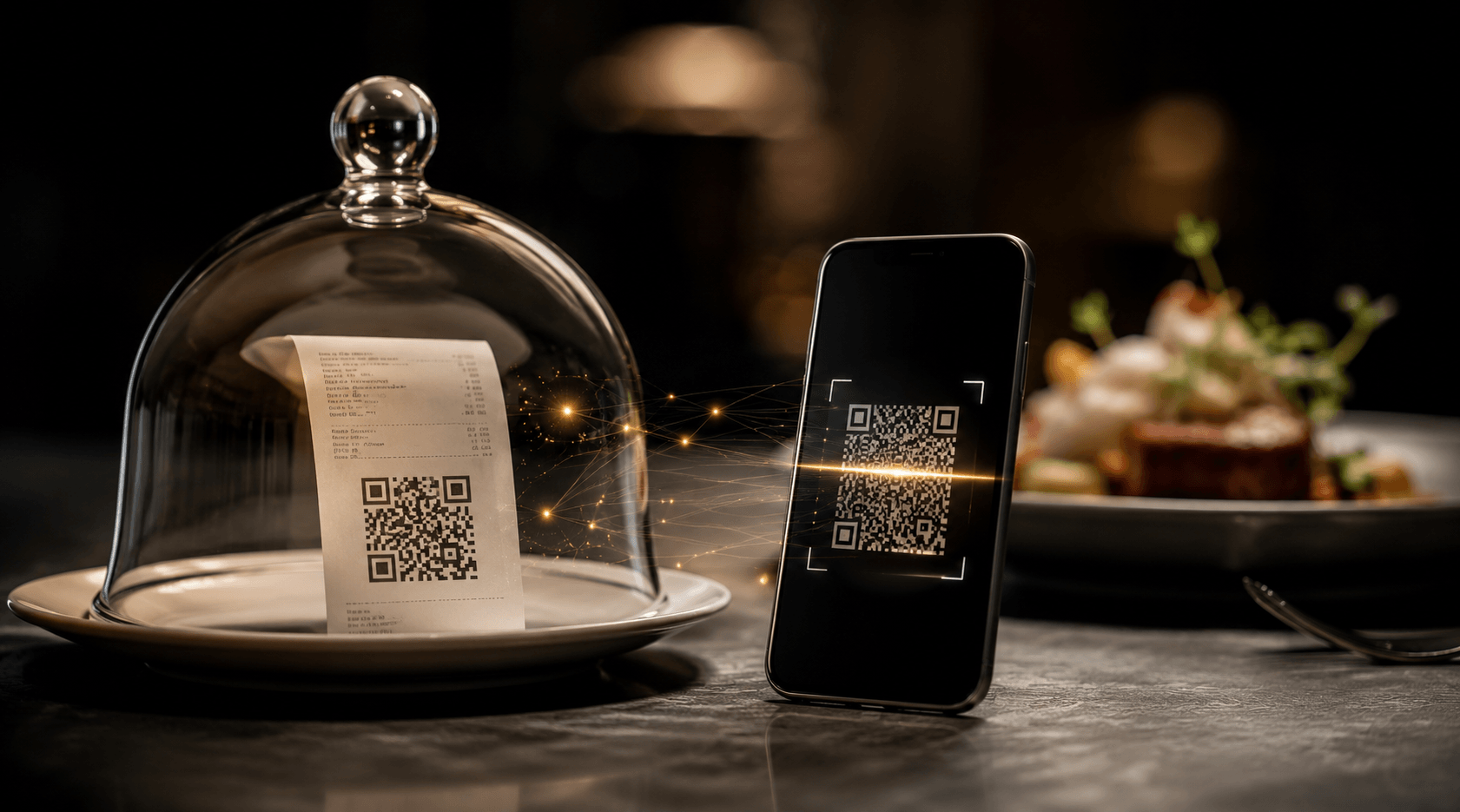
The ingenious solution used in the contest relies precisely on electronic invoicing. The invoice, digitally signed by the taxpayer—in this case, the restaurant—and available to both the diner paying the bill and the tax authorities, is the key to casting a vote. If you ate here and there, you have the invoices, you have the receipts—the invoices exist and are also on the tax authority’s website. Only those who dined and have their electronic invoice can vote; only those who issued them have a chance to win. Of course, it is not just a matter of compliance: they must, of course, also cook delicious food.
Situations like these already exist in some of our countries; for example, when an electronic invoice is required to receive payment or reimbursement for medical expenses from private health insurance.
How is it going? Best regards and good luck.
1,969 total views, 2 views today